_edited.png)
How to Avoid Common Mistakes with Glass Pergolas in New Jersey
- Privlux Inc.
- Feb 13
- 3 min read
Glass pergolas bring a unique combination of elegance and functionality to outdoor spaces. Yet, even high-end pergolas can encounter avoidable problems if the right planning and installation decisions aren’t made. In New Jersey, where snow, wind, and fluctuating temperatures challenge structures every year, understanding the interactions between glass, hardware, and installation techniques is critical.
Insulated vs Non-Insulated Glass: Making the Right Choice
One of the most frequent issues we see is installing non-insulated glass in exposed areas. Non-insulated glass can perform adequately under mild conditions, but winter snow accumulation, wind pressure, and temperature fluctuations can create stress points that lead to cracking, bowing, or condensation issues.
Insulated glass panels, on the other hand, distribute thermal stress more evenly, reduce condensation, and provide better long-term durability. While the upfront cost is higher, insulated panels protect your investment and ensure the pergola performs when it matters most.

Panel Alignment and Fixed Glass: Preserving Structure
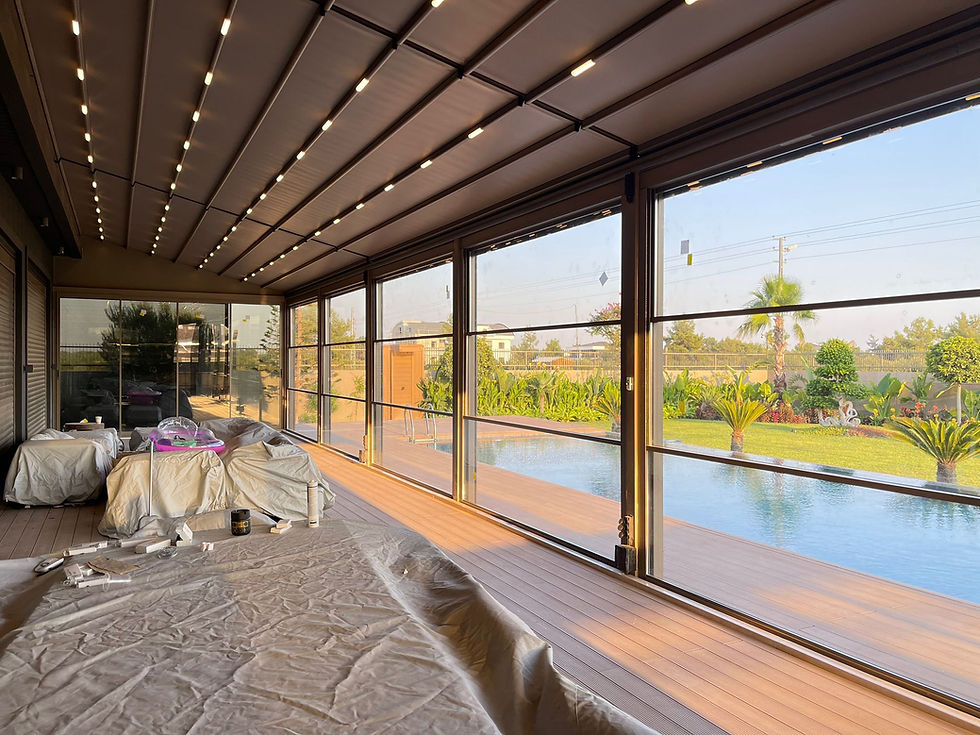
Sliding, folding, and slide-and-fold glass panels offer flexibility, but uneven walls or irregular mounting surfaces can compromise operation. Even a small misalignment affects how panels interact with tracks, trolleys, and retractable blades — particularly in pergolas like the Skyview.
Adding strategically placed fixed glass panels preserves the rectangular geometry of the pergola and distributes load efficiently. Proper alignment is not just aesthetic; it prevents hardware wear, ensures smooth movement of retractable components, and avoids operational issues over time.
Concrete Footings: The Unsung Hero
Another critical, often underestimated component is the concrete footing. Each glass panel requires a secure foundation to handle snow, wind, and repeated blade movement. Proper footings distribute load, stabilize panels, and safeguard the entire structure.
This step also highlights the importance of coordination with contractors. Precise measurements, curing schedules, and correct leveling are essential to ensure that every panel sits correctly from the start. Cutting corners here may save time in the short term, but it risks costly adjustments or failures later.
Field Notes: Attention to Every Detail
Successful glass pergolas are not just about choosing the right materials; they are about how everything comes together. Panel type, thickness, hardware, installation sequence, and contractor coordination all affect the final performance.
Even the most beautiful pergola in renderings can fail if these subtle details are overlooked. By focusing on functionality first, designers and homeowners can ensure that the structure endures weather, use, and time.
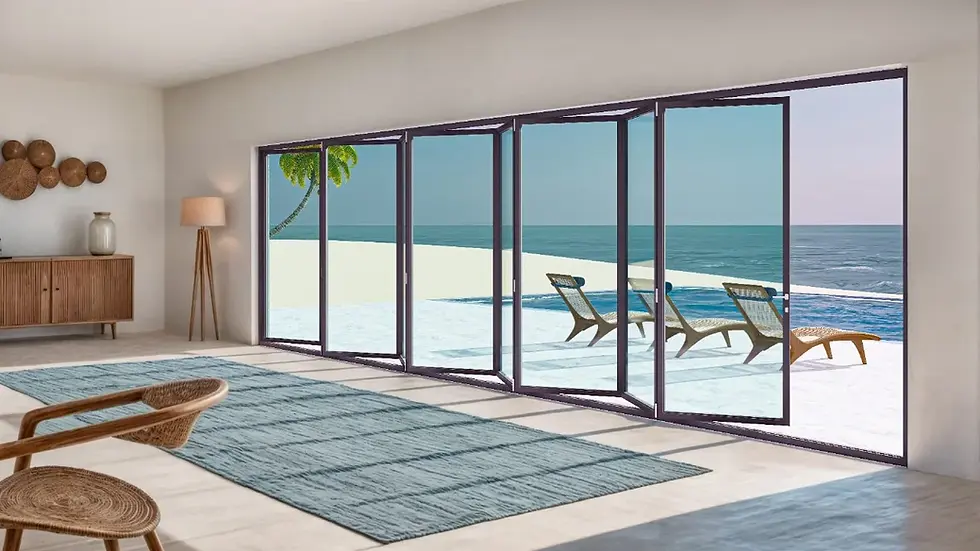
Choosing the Right Panel Type for Your Pergola
Privlux offers a variety of glass solutions:
Sliding panels – ideal for adjustable ventilation and access.
Folding panels – maximize open-air experience while maintaining protection.
Slide-and-fold – combines flexibility with streamlined operation.
Guillotine panels (slides up and down) – vertical control for light and airflow.
Fixed panels – essential for structural alignment, load distribution, and stability.
Selecting the correct combination depends on the site conditions, exposure, and intended functionality.

Choosing the Right Supplier for Glass Pergolas in New Jersey
Glass pergolas in New Jersey require more than aesthetics — they demand careful planning, thoughtful material selection, and precise installation. From choosing insulated vs non-insulated glass to strategic use of fixed panels and properly poured concrete footings, each decision impacts long-term performance.
If you’re planning a glass pergola or enclosure, Privlux can guide you through every step, ensuring your investment delivers lasting beauty and functionality. Call or WhatsApp us at 833 774 8589 for a quotation or expert advice on all our pergolas.


Comments